In Ireland, all “ordinary residents” have the right to receive medical assistance or free public healthcare services, including hospital care. “Ordinary residents” refer to people who can prove, with official documents, that they have been living in Ireland or intend to live in Ireland for at least one year — for example, migrant workers, students, refugees, asylum seekers, or anyone with legal residency status.
It’s also very important to buy health insurance, which can reimburse a large portion of your medical expenses.
Buying Medicine in Ireland
If you’re already living or studying in Ireland, it’s a good idea to keep some basic over-the-counter medicines at home for minor illnesses such as colds, coughs, or stomach discomfort.
Below are some commonly used and effective medicines. Although these are non-prescription drugs, effects may vary by person. Please always read the instructions carefully and consult a pharmacist or doctor if you’re unsure — especially if you’ve never used such medicines before. Be particularly cautious if your symptoms are COVID-related.
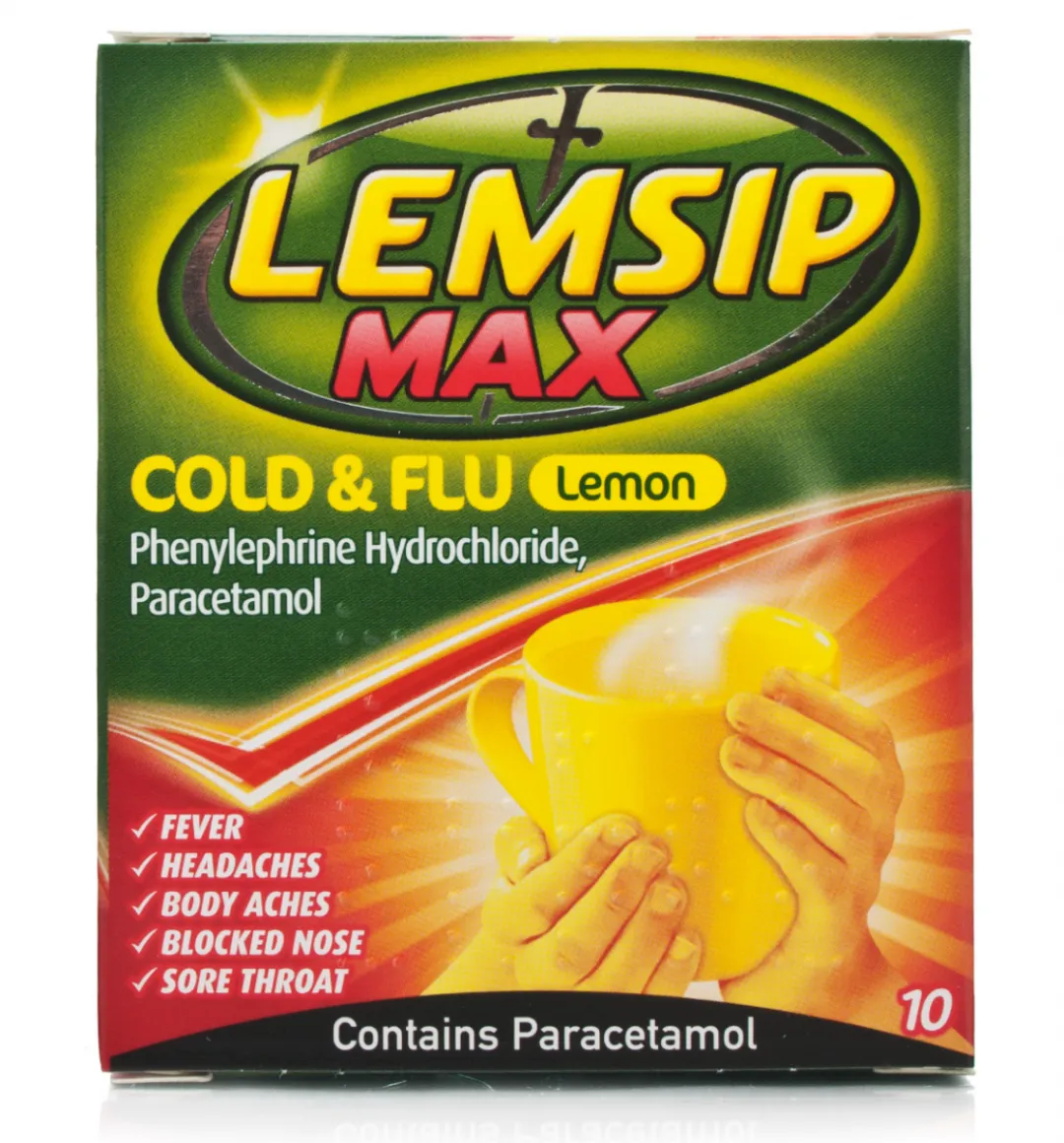
Cold — Lemsip
Lemsip (especially the lemon-flavoured version) is one of the most common cold remedies in Ireland. It can quickly relieve headaches, fever, nasal congestion, sore throat, cough, and general body aches caused by colds. The main ingredient is paracetamol, and it’s widely available in supermarkets, especially during flu season.
There’s also a series called Lemsip Max, which includes both powder sachets and capsules. The drinks come in various flavours such as blackcurrant, wild berry, and hot orange. Different types target different cold symptoms, so you can choose according to your condition.
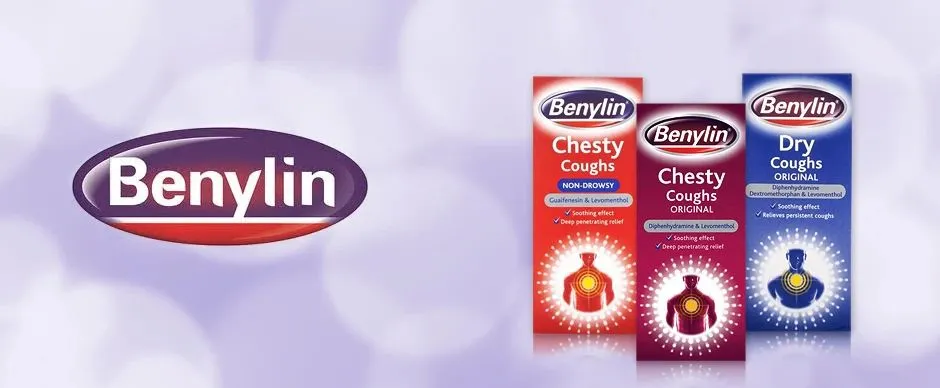
Cough — Benylin
Benylin, a Johnson & Johnson brand, focuses on treating coughs, colds, and flu. Its cough syrups can quickly relieve symptoms, and there are specific versions for different types of cough. When buying, describe your symptoms to the pharmacist so they can recommend the most suitable one.
In addition, Paracetamol can help relieve muscle pain, headaches, and fever caused by colds. It’s safe, effective, and inexpensive.
General Pain Relief
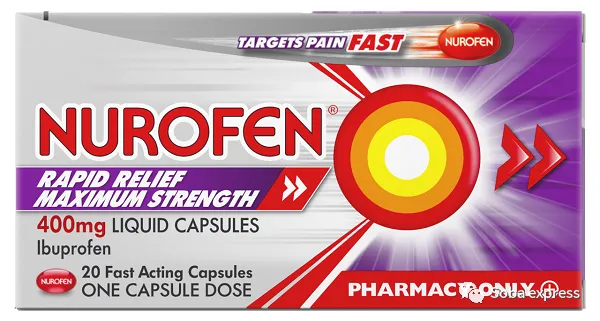
NUROFEN contains ibuprofen as its main ingredient. Regular-strength versions can be bought directly at pharmacies.
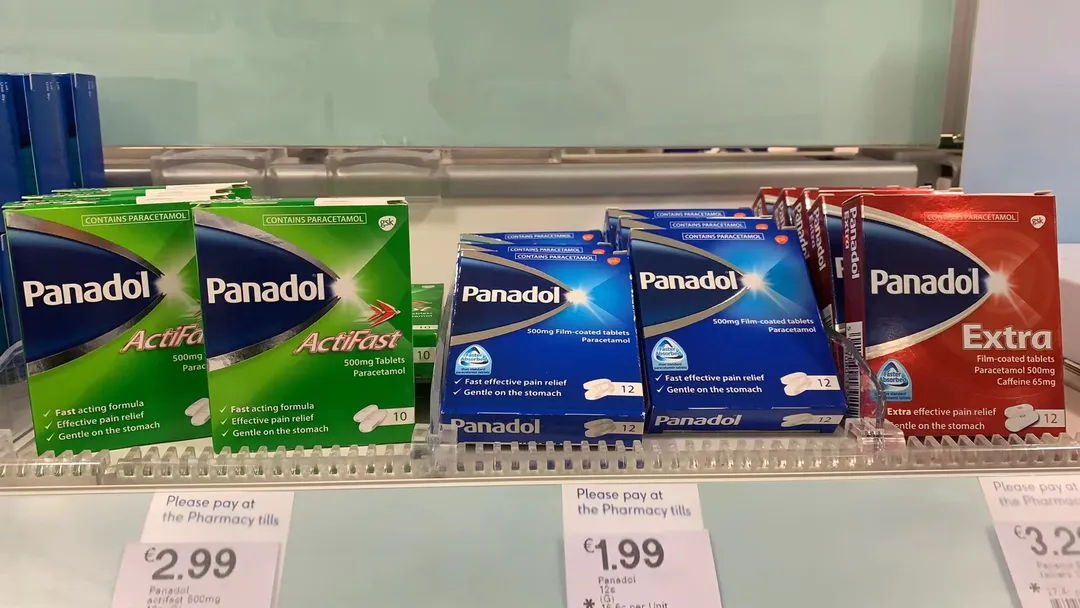
The best-selling all-purpose painkiller in Ireland is Panadol. It comes in red, green, and blue boxes, each designed for different types of pain — headaches, period pain, back pain, rheumatism, or toothaches. You can easily find it at Boots stores.
Mouth Ulcers
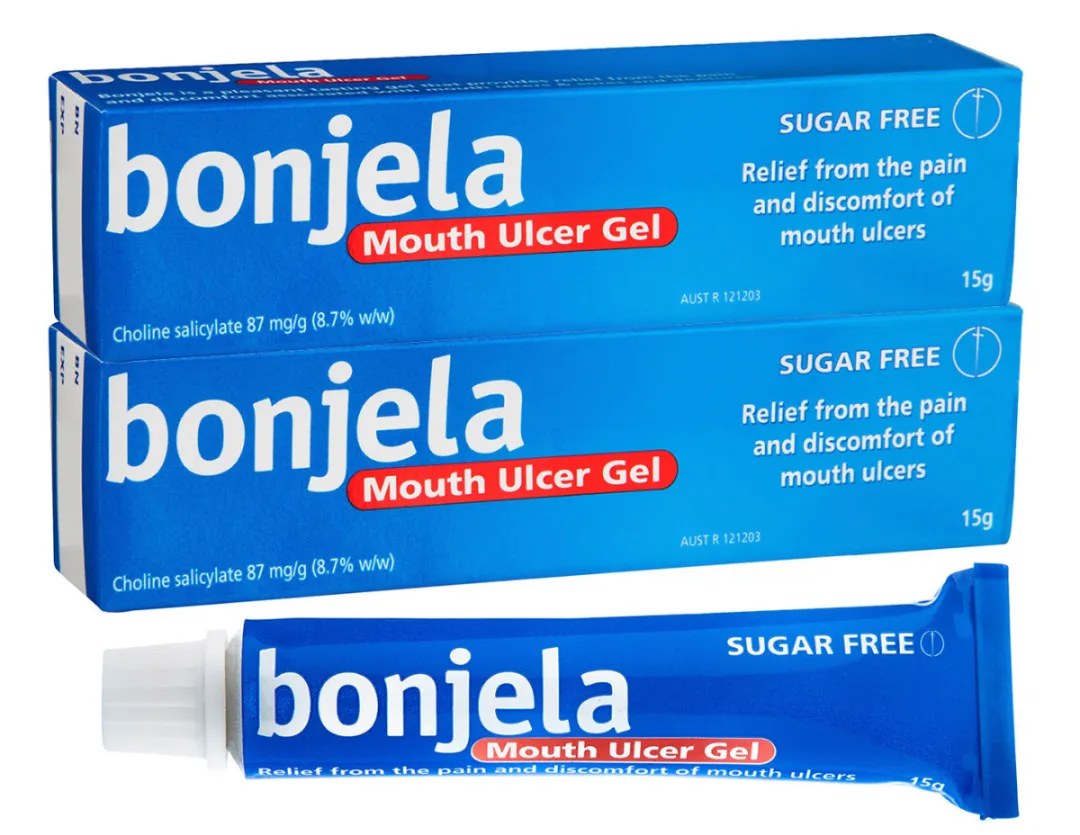
Bonjela is a very popular gel for treating mouth ulcers and oral infections. It gives a cooling sensation, comes in adult and child versions, works within minutes, and is quite affordable.
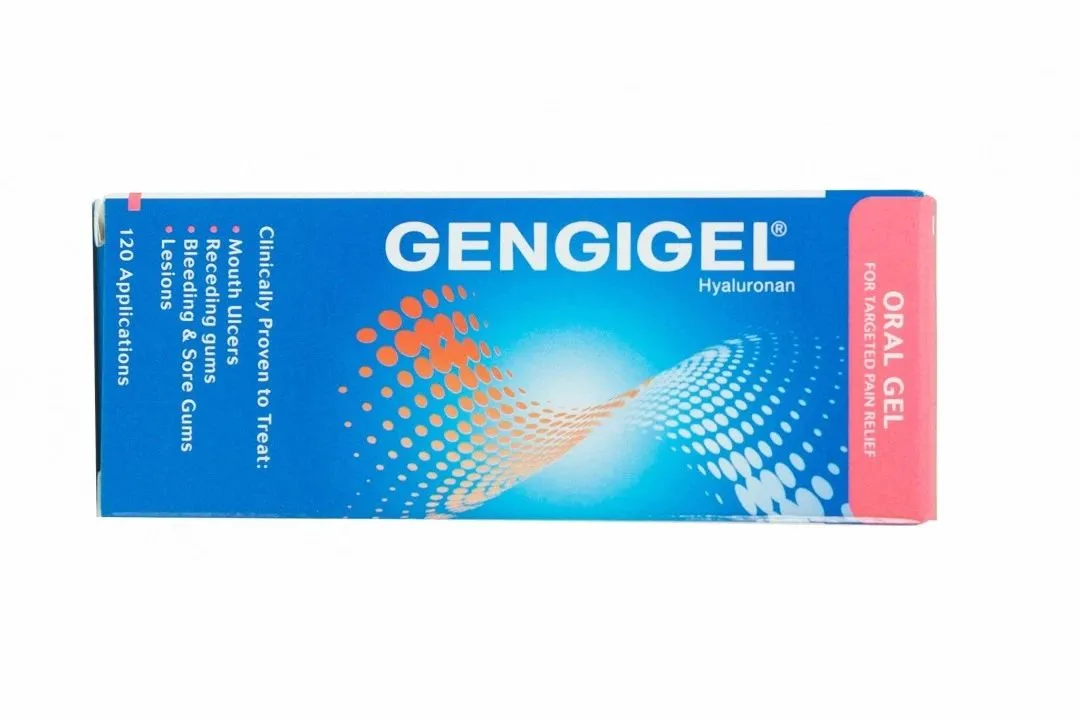
You can also try this gentle gel below, which soothes inflammation and helps repair damaged oral tissue.
Digestive Issues
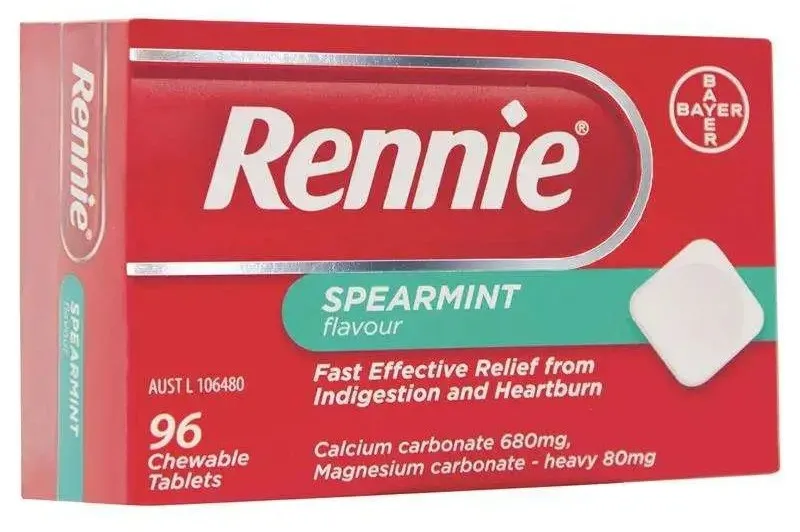
Rennie is an over-the-counter medicine for stomach discomfort. It relieves indigestion, bloating, cold stomach, and acid reflux. It’s similar to popular digestive aids in China like Stomach Comfort Tablets or Antacids. It comes in various flavours and is widely available.
2. Ways to See a Doctor in Ireland
Ireland’s healthcare system is divided into public (HSE) and private services.
Public care is cheaper but often involves long waiting times, while private care is faster but more expensive and generally not reimbursed.
Student insurance usually covers costs for public hospitals.
01 Consult a Pharmacist
For minor issues such as colds, headaches, or small wounds, you can go directly to a pharmacy to buy over-the-counter medicines. If you’re unsure which one to take, consult the pharmacist for advice. (Many pharmacies also have in-house doctors for consultations.)
Common pharmacy chains include Boots, Lloyds Pharmacy, and McCabes Pharmacy.
If you need a prescription-only medicine (POM), you must first get a prescription from a GP (General Practitioner) or specialist doctor before collecting the medicine from a pharmacy.
02 University Health Centre
International students can check their university’s website for information on how to see a doctor on campus. Student health centres usually require appointments and list available doctors and time slots.
In most Irish universities, appointments are mandatory. Many issues can be handled via phone or video consultation. You can find contact details or booking links on your school’s website. For in-person visits, make sure to book in advance.
03 Visit a General Practitioner (GP)
When you experience health problems, you can make an appointment with a General Practitioner (GP), similar to a community clinic doctor in China.
In Ireland, you must see a GP first, who will decide whether you need to be referred to a hospital or specialist. Around 90% of general illnesses are treated this way.
You can find nearby GP clinics by searching on Google or visiting the official HSE website (www.hse.ie), then calling or emailing to register.
GPs usually work only during office hours. For after-hours help, search “Find a GP out of hours”.
Some online GP services are also available — they’re more flexible and can offer consultations and prescriptions remotely.
04 Emergency Situations
If you face a medical emergency or a serious condition, call (0)999 or (0)112 for immediate help.
You can also take a taxi directly to the nearest hospital emergency department.